
Need help with a repair, estimate, or claim?
Auto glass
Auto glass repair & replacement
A cracked windshield is more than an eyesore. Full Tilt repairs rock chips before they spread, replaces glass that is past saving, and recalibrates the safety systems that ride on it, all backed by a lifetime workmanship warranty.
- ADAS recalibration
- Insurance approved
- Quality glass
- Same-day replacement
Voted Best in the Valley for body work and auto painting, every year since 2013.
More than a pane of glass
Bonded to the structure, recalibrated to factory spec
On a modern vehicle the windshield is not just a window. It is bonded into the body to add structural strength, and it often carries the cameras that run lane-keeping, adaptive cruise, and automatic emergency braking. That means a glass job is really two jobs: getting the new unit bonded correctly, then making sure the systems that depend on it still read the road the way the factory intended.
We catch rock chips early and fill them before they spread into a crack that needs a full replacement. When the damage is past saving, we replace the glass with quality units bonded to manufacturer specification, then recalibrate the driver-assistance cameras in house so nothing is left to guesswork. The whole job is backed by our lifetime workmanship warranty for as long as you own the vehicle.
What's covered
From a quick chip to a full replacement
Glass work runs from a five-minute chip fill to a full windshield replacement with sensor recalibration. Full Tilt handles the whole range, and the insurance side too.
-
Windshield repair
Small chips and short cracks can often be repaired rather than replaced. We inject resin under vacuum, cure it under UV light, and polish, restoring structural integrity in a repair that is nearly invisible. Most take under an hour.
-
Windshield replacement
When damage is too severe, larger than a quarter, past a few inches, in the driver's sight line, or at the edge, we replace it with OEM or OEM-equivalent glass and quality urethane in the correct pattern.
-
Side & rear glass
Door glass, quarter glass, and back glass, including rear defroster grids, rear wipers, third brake lights, and any other features integrated into the glass.
-
Sunroof & moonroof glass
Both fixed panels and operating sunroof assemblies, replaced with proper fit, operation, and weather sealing so nothing leaks or sticks.
-
ADAS calibration
Windshield-mounted cameras and sensors recalibrated with static and dynamic procedures so lane-keeping, automatic braking, and adaptive cruise read the road correctly, done in house.
-
Insurance claims handled
Many comprehensive policies cover glass, often with a reduced deductible or none at all for a repair. We verify coverage, handle the paperwork, and file the claim for you.
How it works
A clear path from chip to clear glass
No guesswork and no runaround. Here is exactly what to expect, whether it is a quick repair or a full replacement.
-
Assessment
We inspect the damage under proper lighting and assess depth, location, and type. Small chips and short cracks may be repairable. Anything in the driver's sight line, larger than a quarter, or running to the edge typically needs replacement.
-
Repair or replace
For qualifying damage we clean the area, draw a vacuum, inject resin, cure under UV, and polish. For replacement we cut out the old glass, prep the frame, and bond in OEM or OEM-equivalent glass with quality urethane.
-
ADAS calibration
If your vehicle has windshield-mounted cameras or sensors, we perform manufacturer-specified static and dynamic calibration before the vehicle goes back to you, because skipping it leaves safety systems unreliable.
-
Cure and quality check
We give you a specific safe drive-away time rather than a generic guess, then a final inspection confirms seal integrity, wiper alignment, and trim fit, all backed by our lifetime warranty.
Common questions
Auto glass FAQs
Will a small windshield chip turn into a crack?
Small chips frequently develop into cracks if left unrepaired. Temperature swings make glass expand and contract, creating stress that radiates from the damaged area. Driving over bumps generates vibration that propagates cracks. Even washing the car with cold water on warm glass can extend damage. Chips near edges or defrost vents are particularly vulnerable. The longer you wait, the higher the chance of a crack, and once a chip extends into a crack, repair usually isn't possible and replacement becomes necessary. Most chips can be repaired quickly and affordably if addressed promptly. We recommend evaluation within a few days of any new chip.
How long does windshield replacement take?
Installation typically takes one to three hours depending on complexity. Simple installs on older vehicles without advanced systems may be done in about an hour. Modern vehicles with cameras, sensors, or heads-up displays add calibration time, potentially extending the process to three or four hours. After install, the adhesive needs time to cure before you can drive, safe drive-away time ranges from about one hour with fast-cure adhesives in ideal conditions to several hours or overnight in cold or humid weather. We give you a specific number based on the products used and the day's conditions.
Does insurance cover windshield repair and replacement?
Most comprehensive policies include glass coverage. Many waive the deductible entirely for chip repair to encourage prompt action. Replacement coverage depends on your policy, some states mandate zero-deductible glass coverage, in others your standard comprehensive deductible applies. Side and rear glass typically fall under comprehensive too. Glass claims are usually no-fault, so they often don't affect your rates the way collision claims might. We work with every major brand and can verify coverage, explain benefits, and file claims on your behalf.
Can all windshield chips be repaired?
No. Size, location, and damage type all matter. Chips smaller than a quarter and cracks shorter than three inches can usually be repaired successfully. Larger damage typically requires replacement. Damage in the driver's direct line of sight often needs replacement because repairs may leave slight distortion. Damage at the windshield edge compromises structural integrity and usually can't be repaired. Simple star breaks and bullseye chips repair better than complex multi-impact damage. Contamination, dirt, moisture, glass treatment products, can prevent proper resin bonding. Our technicians evaluate all these factors and recommend repair only when it will restore adequate strength and clarity.
What is ADAS calibration and why is it necessary after windshield replacement?
ADAS stands for Advanced Driver Assistance Systems, the cameras and sensors behind your windshield that power lane departure warning, automatic emergency braking, adaptive cruise control, traffic sign recognition, and similar features. When you replace the windshield, the camera's position and angle shift slightly, and those tiny variations cause the system to misread the road. Calibration uses specialized equipment to recalibrate the cameras to the new glass position. Some systems need static calibration with targets at precise positions; others need dynamic calibration via driving at specific speeds on specific road types; some need both. Skipping calibration leaves safety systems unreliable, they may fail to activate when needed or activate when they shouldn't.
How do I know if my windshield has ADAS cameras?
Look behind the rearview mirror for a small black camera housing attached to the mirror bracket. Check your features, if you have lane departure warning, lane keeping assist, automatic emergency braking, adaptive cruise control, traffic sign recognition, or automatic high beams, you likely have a windshield-mounted camera. Dashboard warning lights after a windshield replacement are another indicator. Most vehicles built after 2015 have at least some ADAS features, with adoption increasing significantly after 2018. When you contact us, we verify whether your specific make, model, year, and trim require calibration before starting work.
Will my new windshield have the same features as the original?
Quality replacement windshields match the original equipment specifications. That includes tint bands, antennas printed in the glass for AM/FM or satellite reception, heated grids, acoustic noise-reducing interlayers, heads-up display compatibility, and rain sensor coatings. When we order your replacement we specify all the necessary features based on your VIN and trim. OEM glass from the vehicle manufacturer's original supplier guarantees an exact match; quality aftermarket glass from reputable manufacturers replicates the important features at different price points. We'll talk through options before ordering.
Can I drive immediately after windshield replacement?
Safe drive-away time depends on adhesive type, temperature, humidity, and install quality. Modern fast-cure urethane adhesives may allow driving in one to three hours under good conditions. Traditional adhesives or installs done in cold or humid weather require longer, sometimes overnight. The adhesive must achieve minimum cure strength before you drive. Driving too early risks adhesive failure, which compromises structural integrity and could allow the windshield to separate during an accident. We give you a specific number based on the products and conditions for your install.
Why does my new windshield make a clicking or popping sound?
Occasional clicking or popping in the first days to weeks is usually normal. As urethane adhesive cures it undergoes chemical changes that release minor sounds. Temperature changes make the glass and frame expand and contract at slightly different rates, generating small movements between them until the adhesive fully flexes. New adhesive is also stiffer than fully cured adhesive, which can amplify sounds that fade with time. However, persistent or loud clicking, especially paired with air leaks, water leaks, or visible gaps, can indicate installation issues. If sounds continue beyond a few weeks, get it inspected.
Should I use my windshield wipers immediately after replacement?
Avoid wiper use for at least 24 hours when possible. Wipers create vibration and pressure that can stress curing adhesive before it reaches full strength. If you absolutely must use them due to weather, run them gently on low with plenty of washer fluid for lubrication, and skip high speeds and heavy pressure. After 24 hours normal use is generally safe, though we may recommend waiting longer in cold weather when adhesive cures more slowly. We give you specific guidance when you pick up the vehicle.
Our work
Before and after
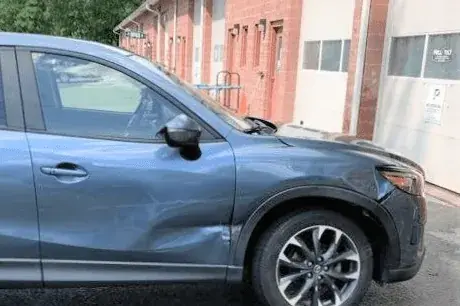
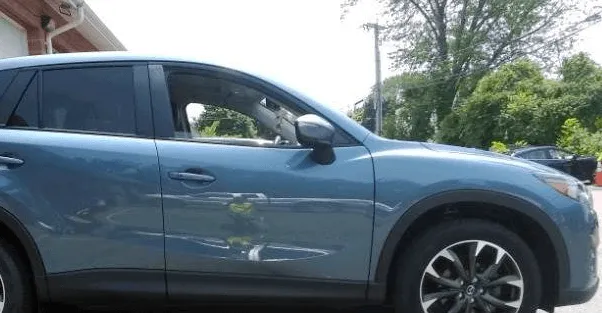
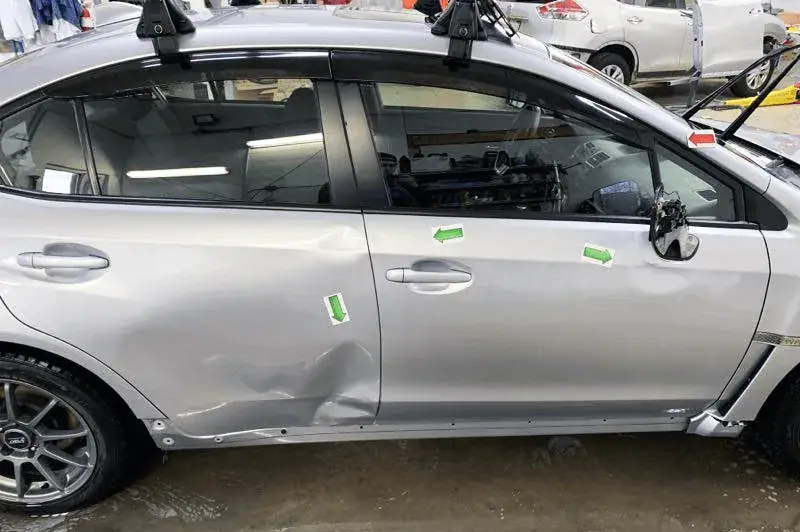
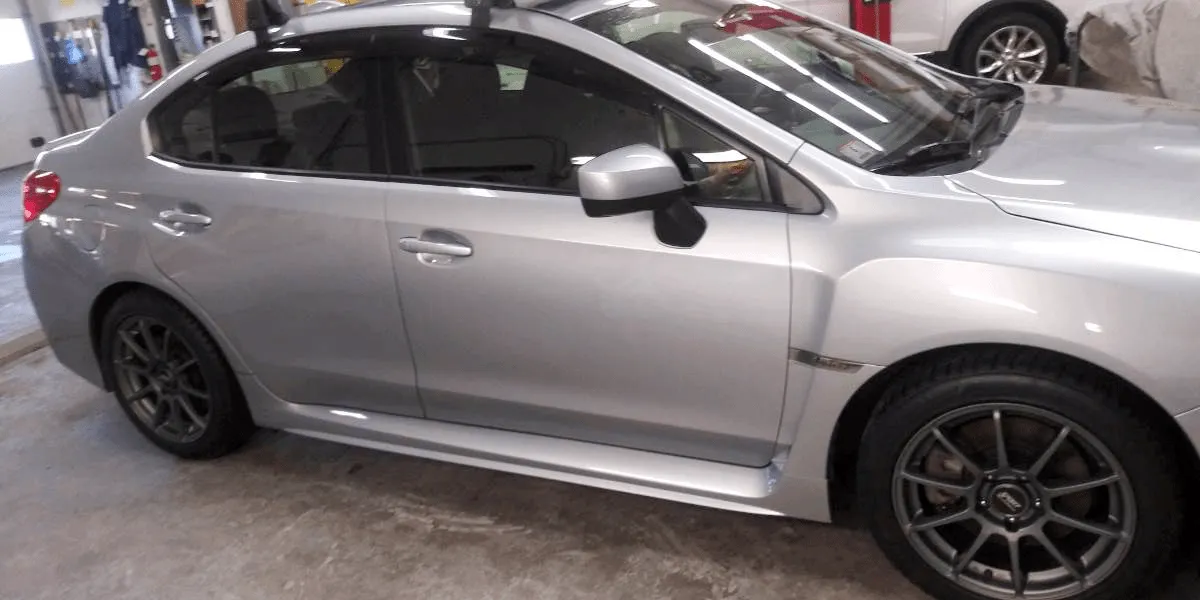
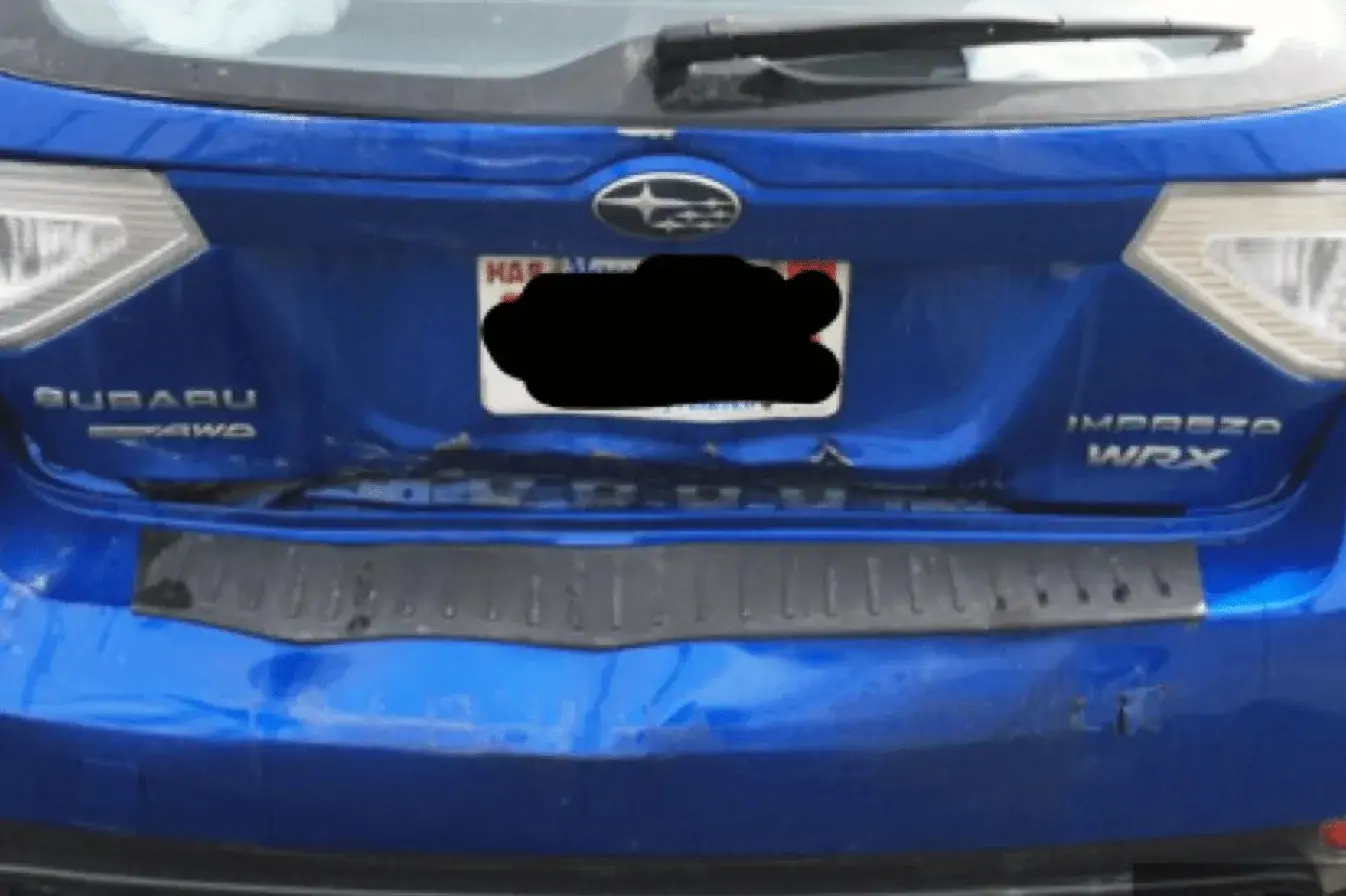
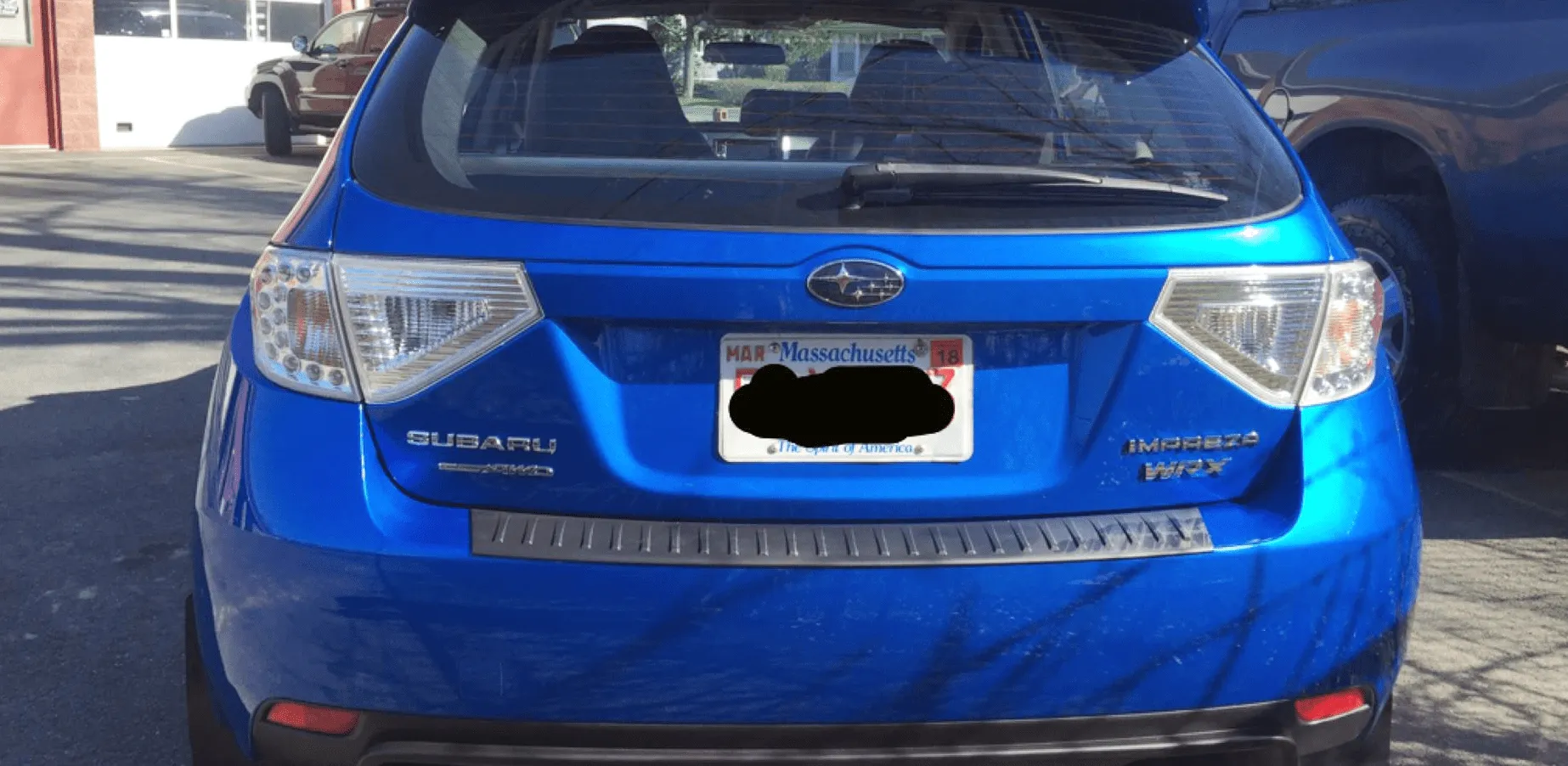
Real repairs from the Full Tilt shop floor. Tap any photo to see the finished result.
Serving the Pioneer Valley
Auto glass for Western Massachusetts
Full Tilt's West Hatfield shop sits central to the Valley, easy to reach whether you are coming from Northampton, Amherst, or up toward Greenfield. A chip does not wait, so neither do we: bring it in and we will tell you where you stand.
- West Hatfield
- Northampton
- Easthampton
- Southampton
- Hadley
- Ludlow
- Amherst
- Greenfield
Get in touch
Cracked windshield? Let's take a look.
Send us a photo of the damage and the team will tell you whether it is a repair or a replacement, and what your insurance is likely to cover. Prefer to talk it through? Call the shop directly.