
Need help with a repair, estimate, or claim?
Auto paint & refinishing
Car paint & scratch removal
Color-matched refinishing, scratch repair, and full repaints that meet or exceed factory standards. Full Tilt combines spectrophotometry color matching with a climate-controlled booth, backed by a lifetime workmanship warranty.
- Computerized color match
- Lifetime warranty
- Insurance approved
- Factory-quality finish
Voted Best in the Valley for body work and auto painting, every year since 2013.
Auto paint & refinishing
Professional auto paint that delivers flawless results
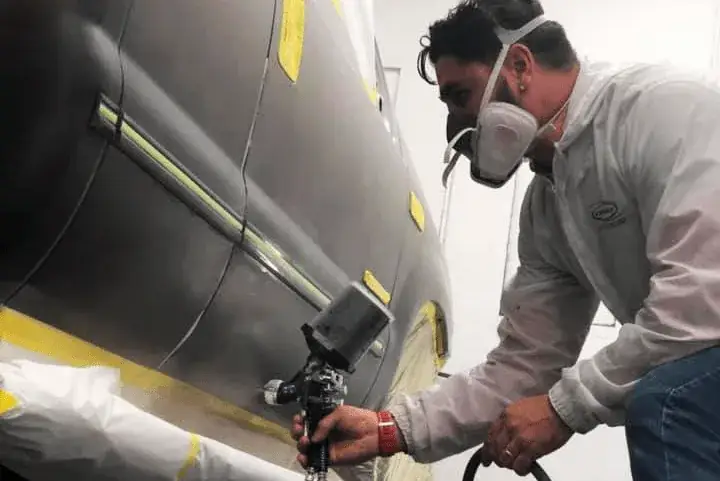
Car paint serves two purposes, appearance and protection. It shields the metal underneath from rust and corrosion, holds your vehicle's value, and reflects the pride you take in it. When damage affects the finish, professional refinishing restores both. Full Tilt combines advanced color-matching technology with expert application to handle complete repaints, panel refinishing, and scratch removal, meeting or exceeding factory standards every time.
Modern finishes are built in layers, surface prep, primer, base color, and clear coat, and each one needs proper application and curing to last. Temperature and humidity matter just as much, which is why our climate-controlled paint booth runs the same conditions year-round no matter the weather outside. Color matching is the other half of the job: factory paint codes are only a starting point, so our computerized spectrophotometer reads the actual paint on your vehicle and formulates a custom blend that disappears into the existing finish. Every job is backed by our lifetime workmanship warranty for as long as you own the vehicle.
What's covered
From a single scratch to a full repaint
Full Tilt handles every kind of paint and refinishing work in house, finished to a factory-quality standard with computerized color matching and a climate-controlled booth.
-
Complete vehicle repainting
For cars with extensive damage, severe fading, or owners who want a fresh look. We strip or prep all exterior surfaces, address underlying body issues, and apply fresh paint throughout.
-
Panel refinishing
Localized repair without repainting the whole vehicle. We paint the affected panel and blend into adjacent areas for a seamless transition.
-
Scratch removal & touch-up
Minor paint-surface damage handled the right way. We assess scratch depth and recommend the right approach, from buffing to complete refinishing, so deep scratches do not lead to rust.
-
Computerized color matching
Spectrophotometry reads the actual color on your car, accounting for age and fading, and formulates a custom mix, not just the factory code on the sticker.
-
Custom paint work
Classic restoration colors, modern metallics, special effects, or full custom graphics. More planning and more steps, but striking results.
-
Bumper & trim refinishing
Plastic bumper covers, trim, and previously unpainted pieces refinished with flexible, plastic-specific systems that bend without cracking.
How it works
Our paint process
No guesswork on color or cost. Here is exactly what to expect from the first inspection to the day you drive away with a flawless finish.
-
Inspection & estimate
We assess the damage, scan the actual color on your car, and write a clear, honest estimate. If insurance is involved, we work directly with your adjuster, and you choose the shop.
-
Surface prep & body work
We mask glass and trim, then clean, sand, and treat the substrate so paint adheres. Dents, dings, rust, and corrosion are repaired first, because paint amplifies imperfections rather than hiding them.
-
Primer, color & clear coat
Primer for a uniform base, then waterborne color in multiple thin coats for even, rich coverage, finished with clear coat for gloss and UV protection, all in our climate-controlled booth.
-
Curing & quality control
Paint cures fully before handling, then surfaces are inspected under proper lighting, buffed, and polished. The work is backed by our lifetime warranty, and a loaner vehicle can keep you mobile in the meantime.
Common questions
Car paint FAQs
How long does car paint take to fully cure?
Freshly painted vehicles look and feel dry within days, but full cure takes 30 to 90 days to reach maximum hardness and durability. During the first few weeks the paint is more vulnerable to chemicals, abrasion, and weather. Avoid automatic car washes for at least two weeks, hand washing with mild soap and water is fine after about a week. Skip waxing and polishing for at least 30 days. Warmer, drier conditions generally promote faster curing. We send every customer home with specific care instructions to protect new paint during this critical window.
Can you match the paint on my older vehicle?
Yes, older vehicles are a strength. Our computerized color-matching system reads your current paint rather than relying on factory codes that no longer match aged panels. It measures the exact color, including changes from sun exposure, oxidation, and time, then formulates a custom mix. For heavily faded vehicles we'll talk through whether to match the current faded color (seamless blend) or the original specification (a more dramatic refresh). Either way, blending into adjacent areas makes the repair virtually invisible.
What causes paint to fade and how can I prevent it?
UV radiation is the primary cause, it breaks down the chemical bonds in paint pigments, dulling color and clarity. Red and black vehicles tend to show fading first, but every color fades with sun exposure. Acid rain, industrial fallout, salt air, and pollution accelerate the breakdown. Prevention: park covered when possible, use a car cover for outdoor storage, wax or seal regularly, and wash off corrosive substances quickly. Modern clear coats have UV inhibitors, but they break down over time. Ceramic coatings and paint protection film offer more advanced options if appearance is a priority.
How much paint damage can be buffed out versus needing repainting?
It depends on how deep the damage goes. Clear coat is the top layer, then base color, then primer over the metal or plastic substrate. Minor scratches, swirl marks, water spots, and oxidation that affect only the clear coat can usually be removed or minimized through professional buffing and polishing. Rule of thumb: if you can't feel the scratch with your fingernail, it's likely shallow enough to buff out. Anything that goes through the clear coat into the color layer, or exposes primer, needs paint repair, not buffing. We assess the damage and recommend the most effective and economical approach, sometimes combining localized paint repair with buffing to blend.
What is the difference between single-stage and base coat / clear coat paint?
Single-stage paint combines color and protection in one product, common on vehicles built before the 1980s and still used on some commercial applications. Base coat / clear coat systems separate the two: a thin color base, then a clear top layer for gloss and protection. Modern vehicles are almost exclusively base coat / clear coat because it delivers better durability, color depth, and resistance, and it's the only way to get metallic and pearl effects. Repairing a modern vehicle requires matching that system and applying it correctly so the repair holds up like the factory finish.
Why does new paint sometimes look different in various lighting conditions?
Because of how light interacts with modern paint. Metallic paints contain tiny metal flakes that reflect light differently depending on angle and source. Pearl paints use pigments that refract light, creating color shifts with perspective. Even solid colors look slightly different under sunlight versus fluorescent or LED, different light sources have different color temperatures. This is called metamerism and it's normal. We analyze your paint under standardized lighting and verify the match under several lighting conditions before final application so it looks right in sun, shade, garage lighting, and dusk.
Can you paint plastic bumpers and trim pieces?
Yes, regularly. Plastic requires different prep and products than metal, it's flexible and has lower surface energy, so adhesion is the challenge. We clean thoroughly to remove mold release agents and contaminants, sand lightly for mechanical adhesion, and apply a plastic-specific adhesion promoter. We use flexible paint systems made for plastic substrates that can bend without cracking. Many modern vehicles have plastic bumper covers that get damaged in minor collisions, we handle those routinely. We can also paint previously unpainted trim if you want to change from black trim to body color (or the other way around).
What should I do if my newly painted surface gets damaged?
Contact us right away. Fresh paint is more vulnerable during curing, and prompt attention can simplify the fix. Minor issues like water spots or light marks can often be corrected with a simple buff once the paint has cured enough. For scratches or chips, repair options depend on extent and location, small areas can frequently be spot-repaired without redoing the whole panel, especially if it's caught early. Don't attempt DIY repairs on fresh paint and don't apply waxes, polishes, or chemical treatments without asking us first. Document any damage with photos and note when and how it occurred.
How do you handle paint work on aluminum body panels?
Aluminum needs specialized prep and products. Many modern vehicles use aluminum hoods, doors, and other panels for weight savings, but aluminum oxidizes differently than steel and that oxide layer affects adhesion. We use aluminum-specific abrasives and cleaning products, then aluminum-formulated primers that promote adhesion and provide corrosion protection. Using steel-oriented primer on aluminum leads to adhesion failure or corrosion. Repair work on aluminum panels uses appropriate welding and fabrication techniques before paint, and our technicians have specific training for aluminum because the material behaves differently from traditional steel.
Can environmental damage be prevented with ceramic coatings or paint protection film?
Both go beyond what wax or sealant can do. Ceramic coatings create a semi-permanent chemical bond with the paint, forming a hard hydrophobic layer that repels water, dirt, and many contaminants. They enhance protection against UV, bird droppings, tree sap, and minor scratches, not bulletproof, but a real upgrade. Typical lifespan is one to five years depending on product and maintenance. Paint protection film (clear bra) is thick polyurethane film applied to vulnerable areas, front bumper, hood, mirrors, door edges, and it absorbs rock chips and road debris that would otherwise damage paint. Quality films are nearly invisible, self-heal from minor scratches with heat, and can last seven to ten years. We can talk through whether either makes sense for your vehicle and driving conditions.
Our work
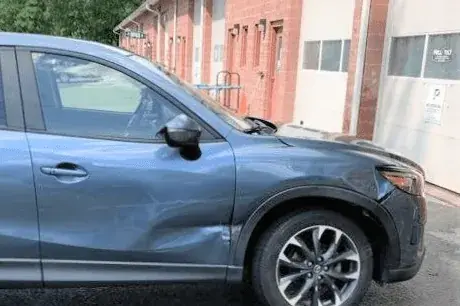
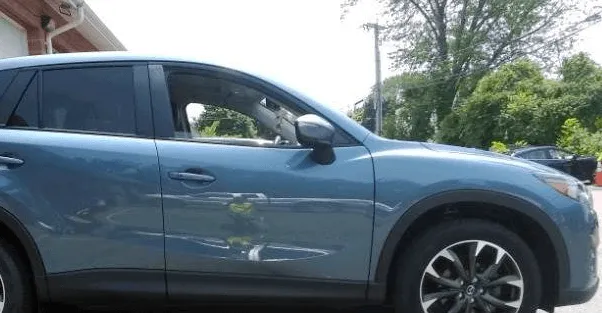
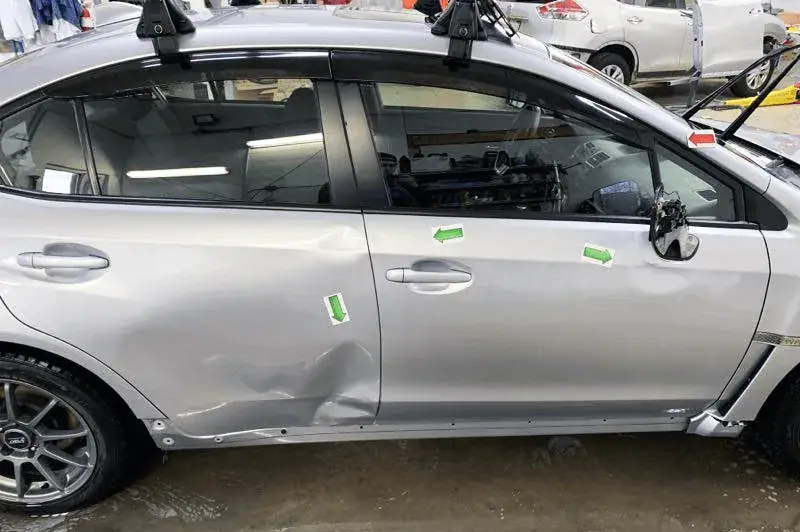
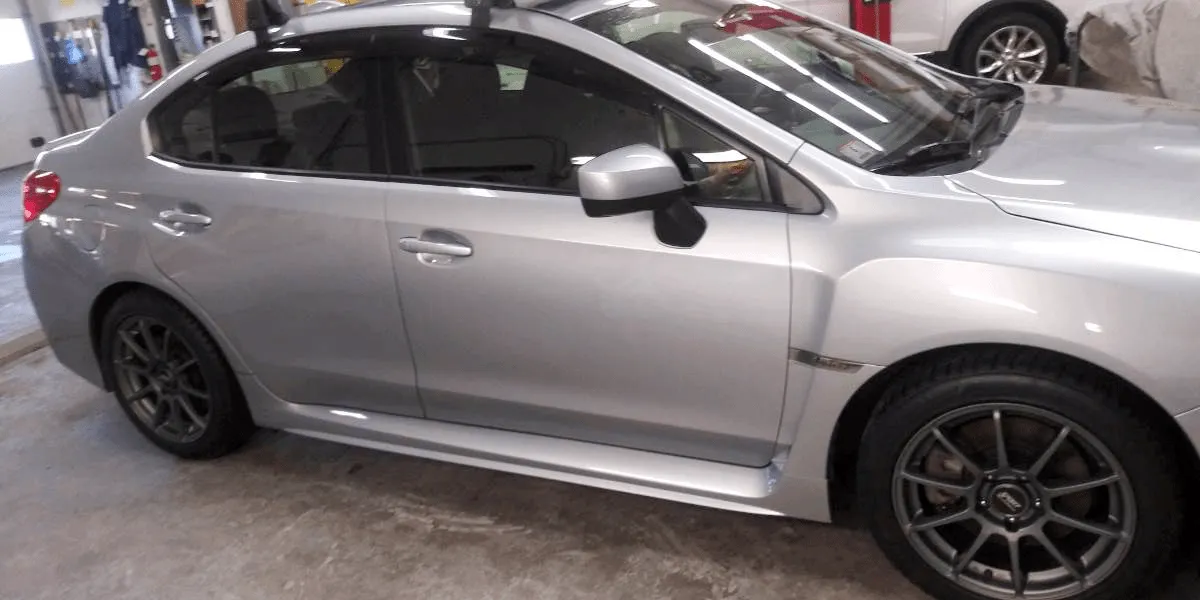
Before and after
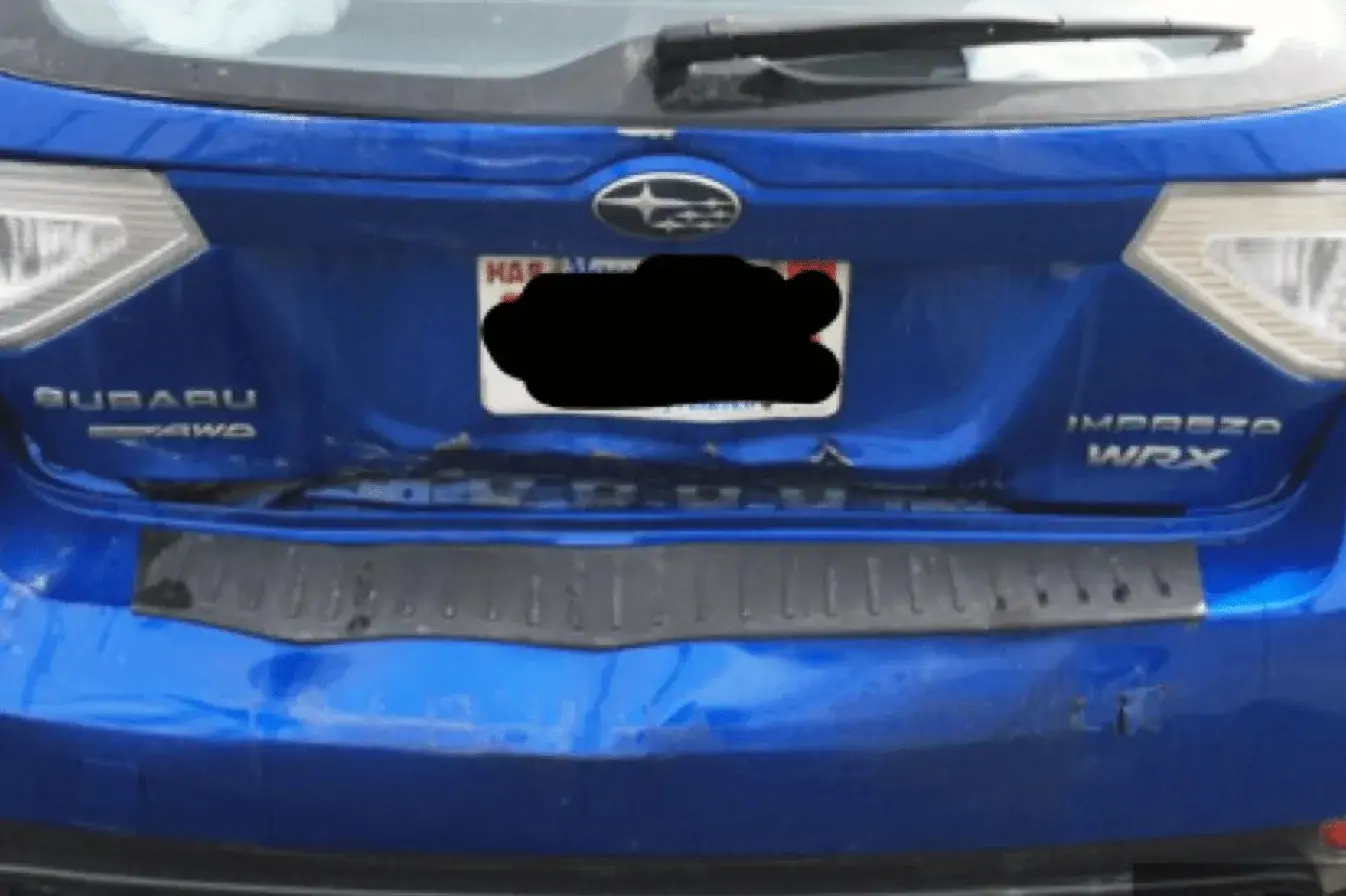
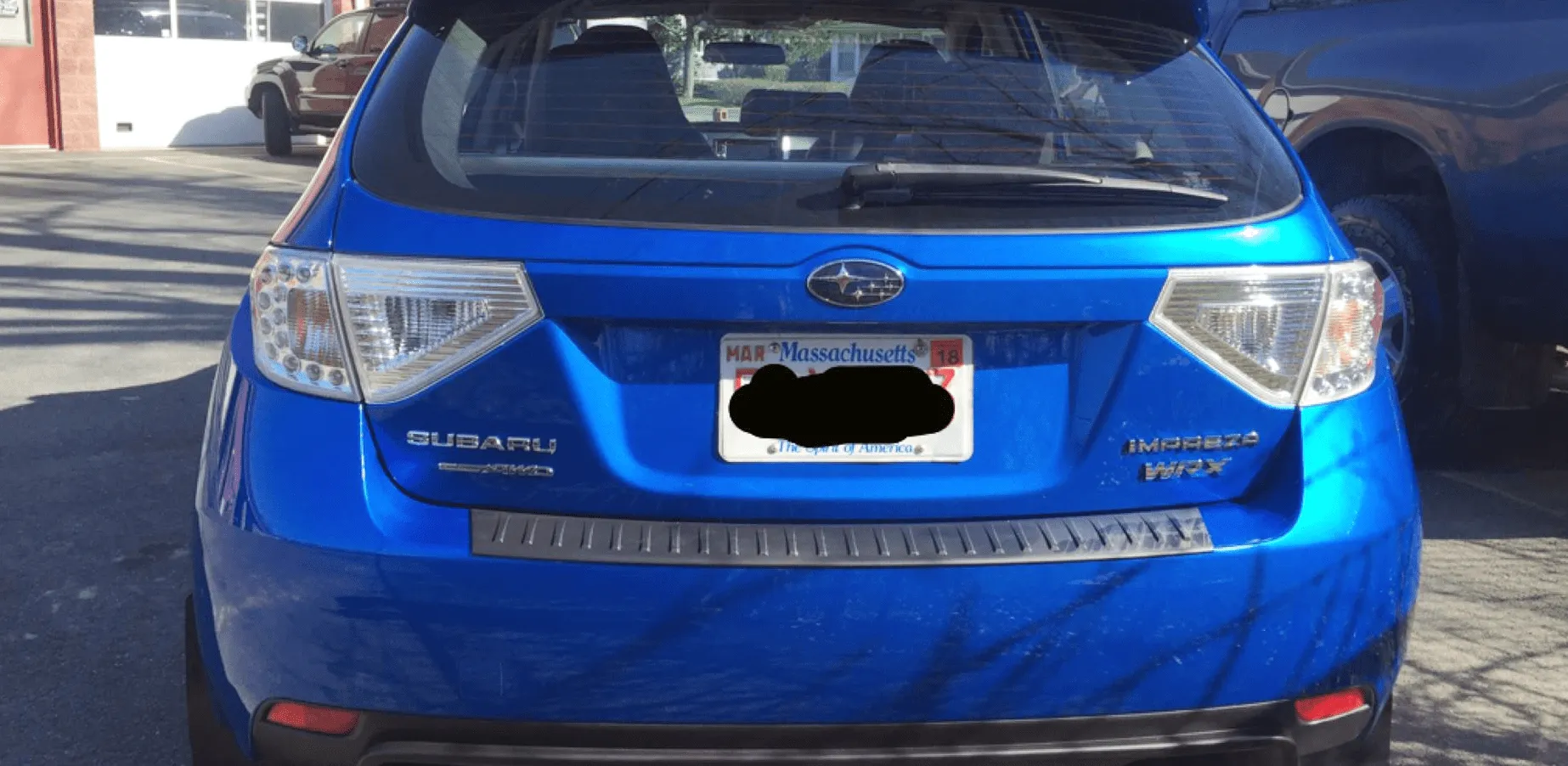
Real repairs from the Full Tilt shop floor. Tap any photo to see the finished result.
Serving the Pioneer Valley
Your neighbors in Western Massachusetts
Our central West Hatfield location makes us accessible to drivers throughout Western Massachusetts, whether you are coming from Northampton, Easthampton, Hadley, Amherst, or Greenfield. Our connection to this community runs deep: we are not just a business here, we are your neighbors. Need transportation while your car is in the shop? We can arrange a loaner to keep you moving.
- West Hatfield
- Northampton
- Easthampton
- Hadley
- Amherst
- Greenfield
Get started today
Faded paint, deep scratches, or a full repaint?
We will quote it honestly. Send photos for a free estimate and the team will follow up with the next step. Prefer to talk it through? Call the shop directly.